
The Architecture
of Interactive State.
At MatrixVera, we view the interface not as an overlay, but as a physical extension of the game world. Most contemporary mobile UIs fail because they treat buttons like stickers on a window; we treat them like the glass itself. Our portfolio is a study in diegetic immersion—designing systems where information flows naturally from the environment.
The following gallery represents our core design philosophy: reducing cognitive load through spatial hierarchy and tactile feedback. Every concept here was born from a specific technical constraint, whether it was balancing battery drain against high-fidelity animations or ensuring 120Hz responsiveness on mid-range hardware.
Case Study 01 // Tactile RPG
Gear Locker Core
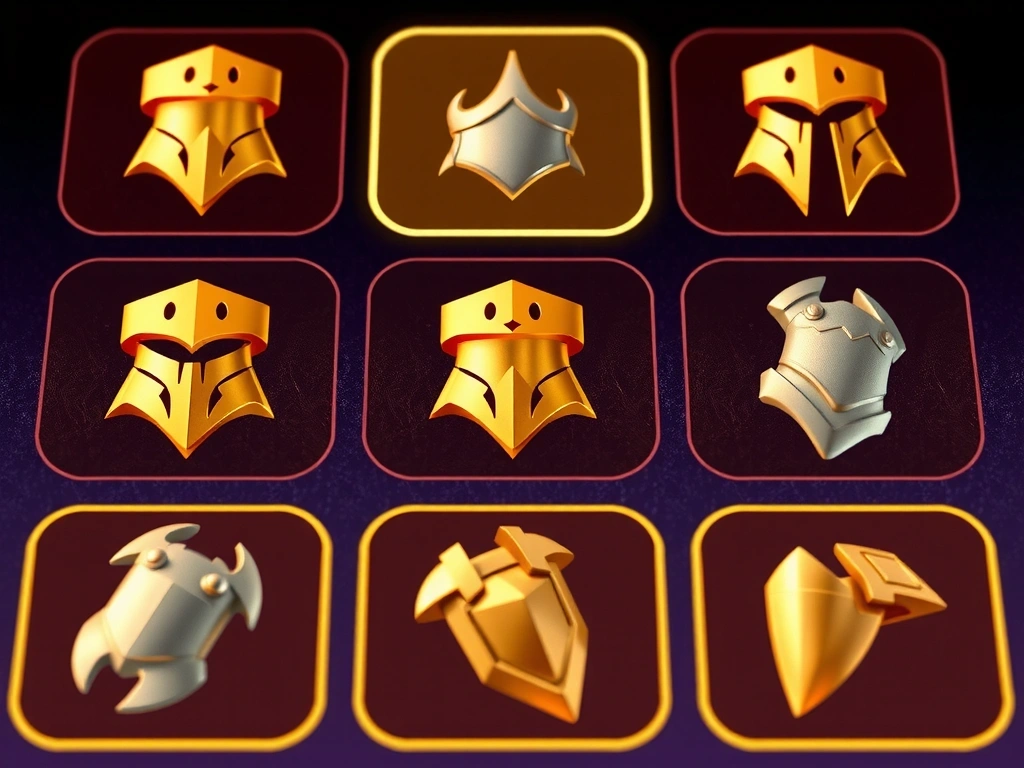
Optimized for rapid thumb-indexing in high-stakes combat scenarios. Uses 16px spatial padding to prevent accidental item consumption.
Case Study 02 // RTS
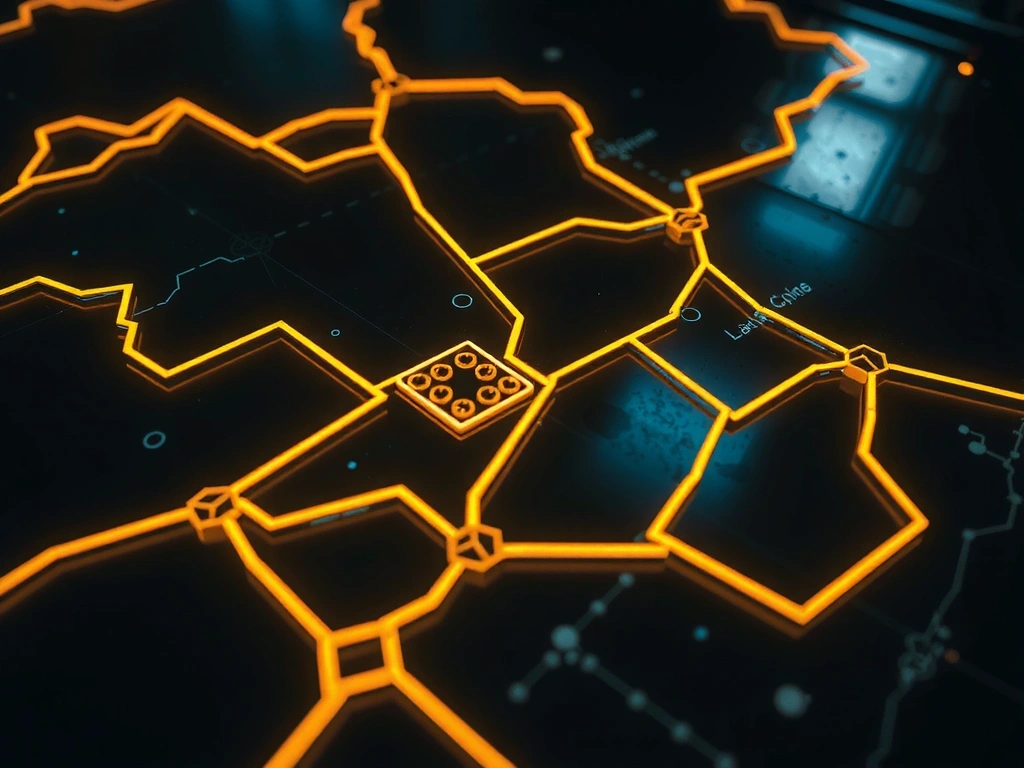
Overlay Density
We addressed the 'clutter' paradox: showing 14 variables without blocking the tactical view.

Sonic Ribbons
Audio Editing Interface
"The UI is a journal, not a menu. Every choice should feel written, not clicked."
Narrative systems designed to eliminate 'Menu Fatigue' by using book-like transitions and paper-grain textures in a digital space.
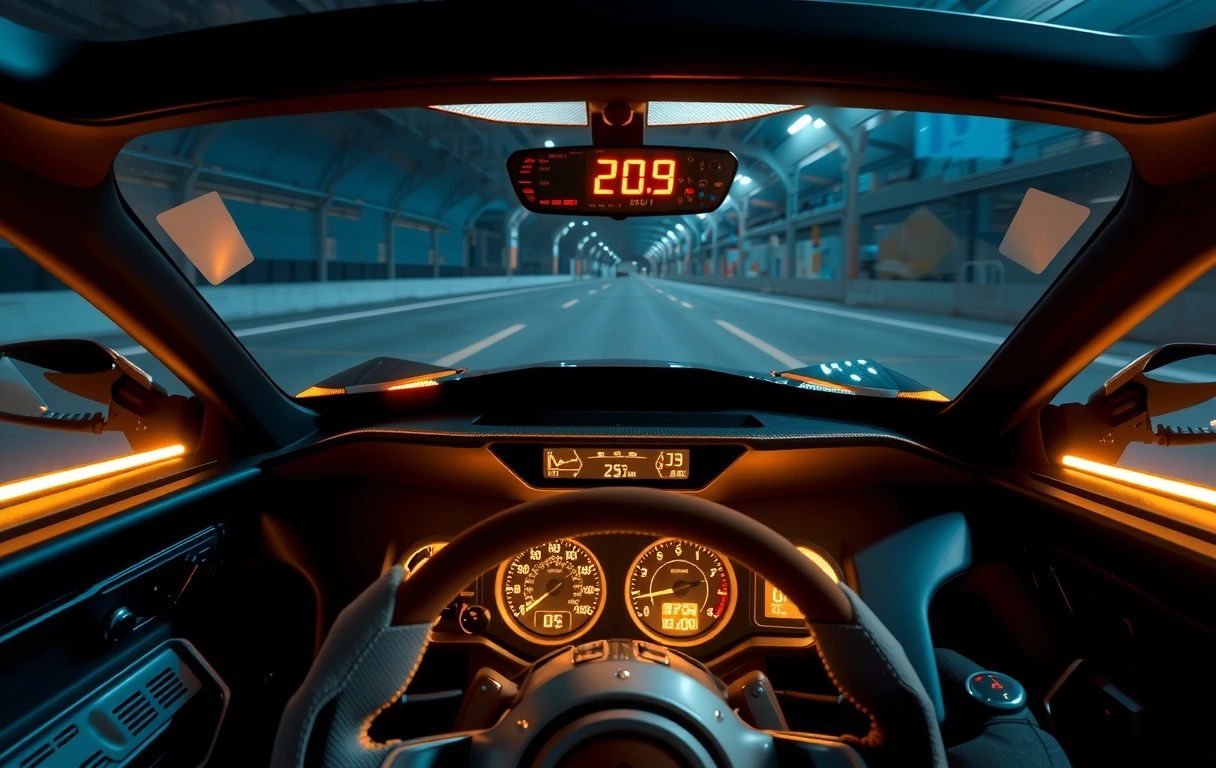
Zero-Overlay Vision
Integrating telemetry directly into the dash cluster to maximize screen real estate for high-speed maneuvering.
The Decision Lens
We don't build features; we build systems of logic. Every pixel is audited against three core criteria to ensure performance doesn't compromise experience.
-
01
Latency Budgeting
Input-to-render cycle restricted to 8.3ms for twitch-responsive gameplay.
-
02
Cognitive Offloading
Visual hierarchy optimized to prioritize action-states over flavor-text.
-
03
Thermal Awareness
Shader complexity scales dynamically based on device heat metrics.
Engineering Boundaries
// Assumption
User is operating on a 6.1" OLED display with varied ambient lighting and 15% battery remaining.
// Constraint
App bundle must remain under 120MB post-compression for instant-play capability in high-traffic German transit zones.
// Pivot Point
Independent security audits showing >10ms network jitter will trigger an automatic 'Simplified state' UI to prevent player frustration.
Scenario: Night Run
Imagine a player in Berlin commute at 18:00. Signal strength switches frequently between 5G and EDGE. The hardware is heating up from a 30-minute session.
Our architecture detects the drop in signal stability. The UI gracefully transitions from high-fidelity 3D assets to high-contrast 2D iconography. We sacrifice the 'shimmer' to preserve the 'click'. The player never feels the lag; they only see the optimization.
Diegetic UI
Interface elements that exist within the internal game world (e.g., a watch or a radio).
Shadow Masking
Using dark gradients to subtly push player attention toward interactive focal points.
State Rhythm
The timing curve between an action and its visual confirmation (ideal: 120ms or less).
Haptic Sync
Aligning vibration patterns with pixel-shift animations for a 'physical' sensation.
Ready to build the next benchmark?
We are currently taking on select partners for Q2/Q3 2026. If your vision matches our commitment to engineering perfection, let's connect.